
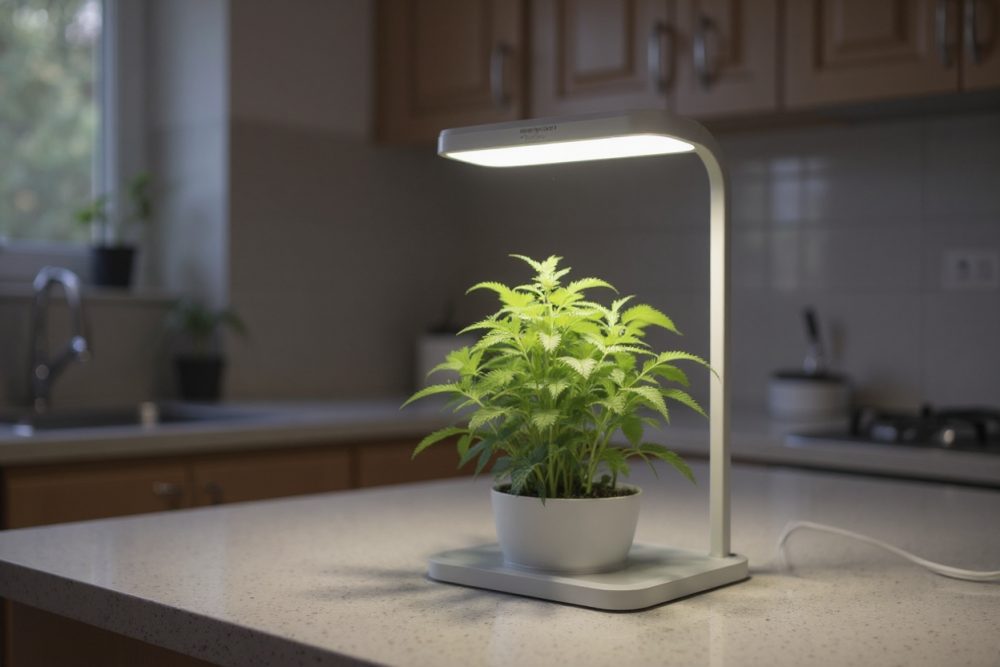
Blue light for plants: guide to LED grow lights
To choose the right grow light for your houseplants, it is essential to understand how each type of light affects their development. Blue light, an important part of the light spectrum, supports photosynthesis, encourages denser foliage and limits stem elongation—making it a key component of an effective grow light.
Blue light and plant growth
Blue light (between 430 and 470 nm) corresponds to the absorption peak of chlorophyll b. This part of the spectrum boosts chlorophyll production, improves the conversion of light into energy and thereby accelerates plant growth.
Blue photons are more energetic than red photons. During photosynthesis, they stimulate the production of ATP and NADPH, making the process more efficient while strengthening plant structure.
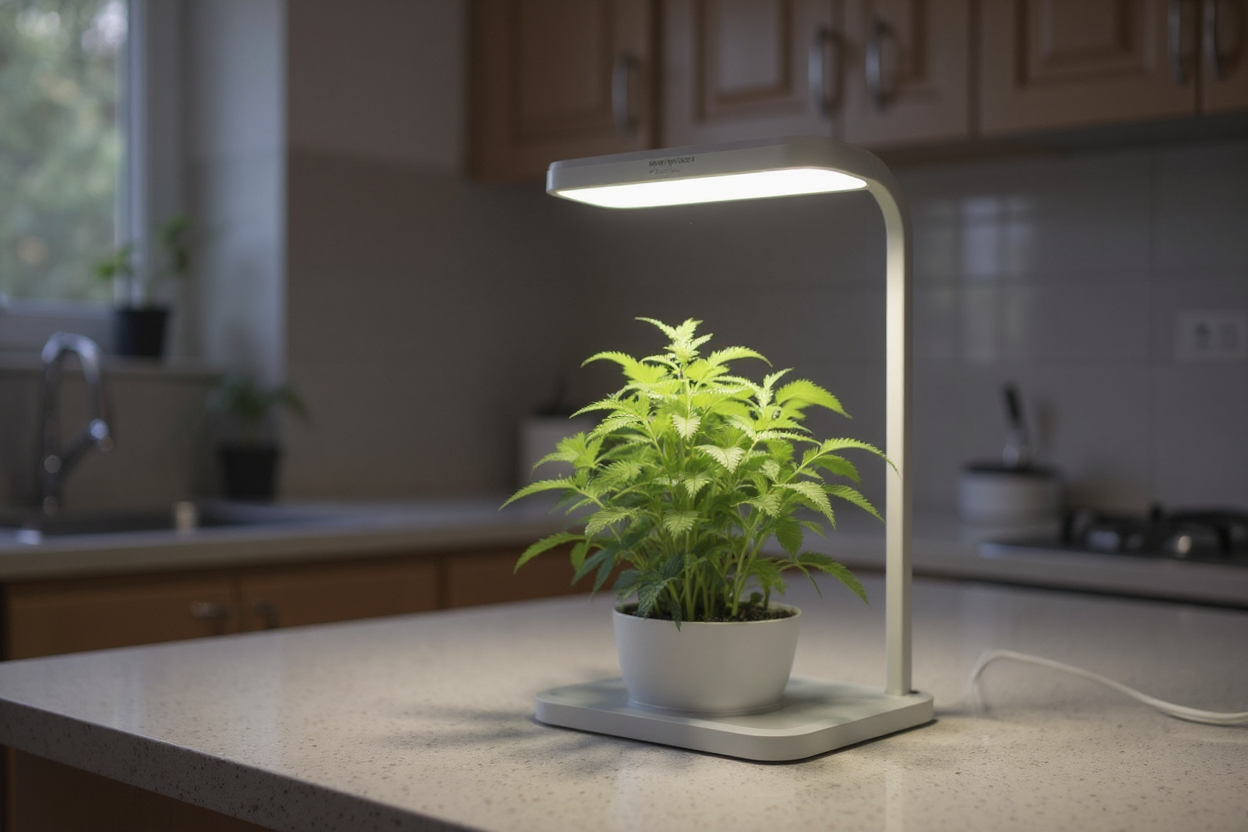
Why blue light stimulates plants
Blue light activates specific receptors (cryptochromes and phototropins) that regulate plant shape and orientation. By limiting certain growth hormones, it produces more compact plants—ideal for indoor growing.
- Enhanced photosynthesis : Adding blue light can increase photosynthetic efficiency by 15–20%, improving CO₂ assimilation.
- Improved structure : Plants develop shorter internodes (a reduction of 12–15%), producing denser, more highly branched shoots.
- Stronger roots : The blue spectrum encourages root development and improves nutrient uptake by 18–25%.
Cryptochromes also trigger the production of protective compounds (anthocyanins and flavonoids) that protect leaves. In ornamental plants, blue light deepens the green colour by increasing chloroplast density.
Stomata open more readily under blue light, facilitating gas exchange and accelerating growth. Trials show seedlings exposed to 30% blue light can grow up to three times faster than under ordinary lighting.
How much blue light during vegetative growth?
For young shoots, lettuce, basil or parsley, aim for 15–30% blue in the spectrum. A blue-to-red ratio of 1:1 to 2:1 offers a good balance between vigour and compact growth.
For example, 30% blue light for 14 hours a day can double the leaf area of lettuce in 10 days. For indoor basil, a 1.5:1 ratio produces denser foliage while limiting height by 15%.
Caution: above 30% blue, compactness no longer increases, while the risk of delayed flowering rises. Below 15%, plants may become leggy and their foliage may lighten.
Recommended durations and distances indoors
For mature plants: 12 hours of light per day. For seedlings and cuttings: 14–16 hours. Position the lamp 30 cm from young shoots, then 45–60 cm away once they are established.
At 40 cm, a horticultural LED light provides 120–180 µmol·m⁻²·s⁻¹ of blue light, ideal for healthy growth without overheating. This intensity covers 50 × 50 cm with a 10W light or 70 × 70 cm with a 30W model.
If leaves turn brown or become too dense, move the lamp back to 45–50 cm. Adjustable LEDs work particularly well for orchids or bromeliads: 12 hours of light at 35 cm offers a good compromise between compact growth and flowering.
Grow lights and light colour for indoor plants
To grow plants successfully indoors, combining blue light and red light is essential. These specific wavelengths work together to support photosynthesis at every stage of development, from germination to fruiting. Modern grow lights let you adjust the spectrum precisely to your plants' needs.
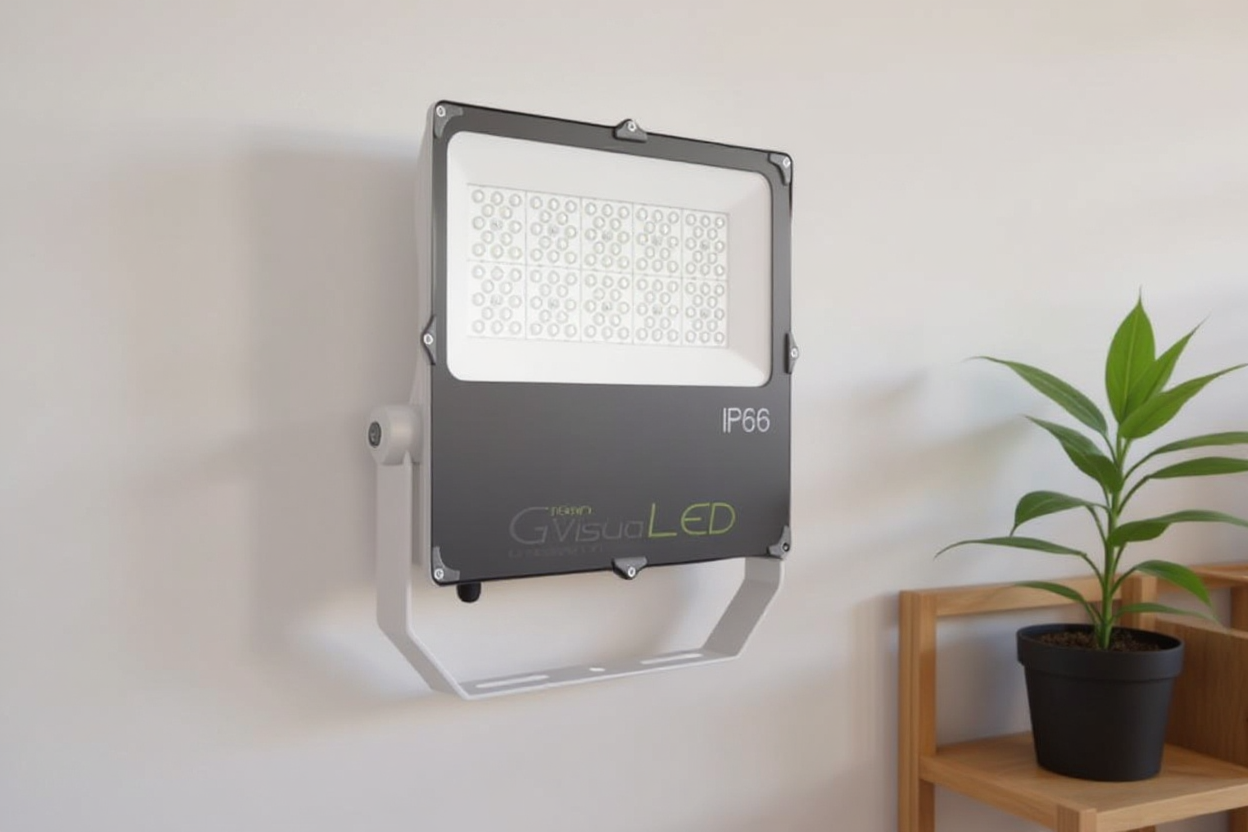
Combining blue and red light
Red light (around 660 nm) promotes flowering and fruiting, while blue light strengthens plant structure and foliage density. For seedlings and young plants, a mix of 80% red and 20% blue gives excellent results. Increase the blue proportion to 30–40% for leafy plants such as basil to achieve more compact growth.
During germination, alternate 12 hours of blue light with 12 hours of darkness for two days—this technique can speed up seedling emergence by as much as 30%. As soon as the first leaves appear, combine blue and red light for balanced root and stem development. Maintaining 30–40% blue during vegetative growth improves colour, aroma and photosynthetic efficiency.
Practical settings for home growing
For the best results from indoor lighting, adjust three key settings: distance, intensity and exposure time. The question “what colour light is best for plants?” is answered by a balanced spectrum that combines the benefits of blue, red and even green light for optimum penetration.
| Growth stage | Blue/red ratio | Daily duration | Lamp distance | Recommended blue PPFD |
| Germination | 70% blue / 30% white | 12 hours light / 12 hours darkness | 40–45 cm | 80–100 µmol·m⁻²·s⁻¹ |
| Seedlings and young plants | 40% blue / 60% red | 14–16 hours | 30–35 cm | 150–180 µmol·m⁻²·s⁻¹ |
| Vegetative growth | 30% blue / 70% red | 12–14 hours | 35–45 cm | 120–150 µmol·m⁻²·s⁻¹ |
| Established plants | 20% blue / 80% red | 10–12 hours | 45–60 cm | 80–120 µmol·m⁻²·s⁻¹ |
| Flowering/fruiting | 15% blue / 85% red | 10–12 hours | 40–50 cm | 60–100 µmol·m⁻²·s⁻¹ |
In a compact space such as a kitchen, four strategically placed 10W LED spotlights are enough to grow herbs successfully over one square metre. Find out how to optimise the growth of your herbs with compact, high-performance LED lighting, specially designed for indoor plants.
For larger areas (50 × 50 cm), a 30W LED panel is an effective option. Small 5W blue LED strips are ideal for terrariums, where they help prevent excessive stem elongation. Consider using reflectors to improve system efficiency by 10–15%, and clean the lights and plant leaves regularly for optimum photosynthesis.
Winter and indoor grow lights
During winter, the lack of natural light puts houseplant health at risk, leading to dormancy or unbalanced growth. The right grow light maintains photosynthesis and preserves attractive foliage despite shorter days. LEDs are an ideal solution thanks to their excellent lifespan (over 50,000 hours), low energy use and ability to provide the right plant-light spectrum, including the essential blue and red wavelengths.
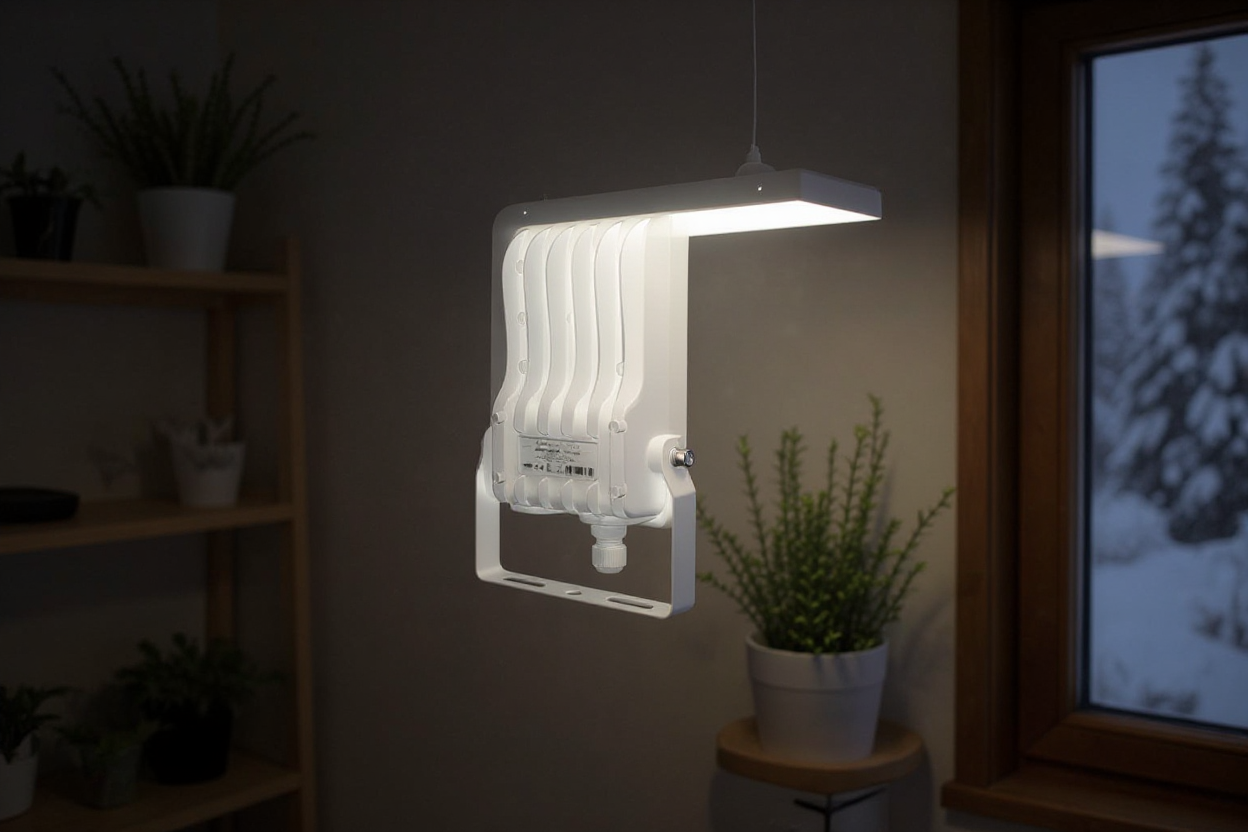
Lighting schedules and intensity
Successful indoor growing means adapting the lighting to every stage of plant development. The light colour for indoor plants should imitate the solar spectrum as closely as possible while targeting the wavelengths most useful for photosynthesis. This approach creates an effective, economical growing environment.
- Seedlings and young shoots : 14 to 16 hours of light per day is recommended, with around 40% blue light and PPFD above 150 µmol/m²/s in the first few days. Gradually increase the proportion of red to encourage stem development.
- Mature plants : 12 to 14 hours of light per day is sufficient, with 20–30% blue and a PPFD of 100–150 µmol/m²/s. This balance maintains dense foliage without causing stress.
- Dormant period : Reduce lighting to 8–10 hours at 40–60% of maximum output to reproduce natural winter conditions.
In winter, extend artificial lighting by 2 to 4 hours compared with summer and set the lamp to 40–70% output. Position it 35–45 cm from the foliage to encourage compact growth without scorching. Also maintain ambient humidity between 50% and 70% to support blue-light absorption while limiting water stress.
Tips to prevent leggy growth in the darker season
Leggy growth—thin stems and sparse foliage—is usually caused by insufficient or unsuitable lighting. A good winter plant light should provide enough blue to stimulate phototropins and support strong structure.
From November to February, increase the blue proportion to 30–40% to compensate for the natural shortage of these wavelengths. Position the lights 30–35 cm from the plants and provide 14 to 16 hours of light to recreate summer conditions. Remember to turn your plants a quarter turn regularly for even exposure.
Adapting the spectrum to different uses
Each growing setup needs a specific light spectrum: emphasise blue for decorative green walls to encourage compact growth, balance blue and red for hydroponic systems, or use a blue-rich spectrum to encourage branching in bonsai.
For orchids and bromeliads, blue-enriched lighting encourages new shoots without compromising flowering—gradually reduce the blue component as flower buds appear. Planted aquariums benefit from around 25% blue, which thickens foliage while limiting algae growth.
For herbs, alternate every two weeks between a blue-dominant and a more balanced spectrum. This keeps plants compact while allowing healthy growth. If the foliage becomes too dense, simply move the lamp farther away or choose a full spectrum. This flexibility is one of the main advantages of LEDs over older lighting technologies.
Horticultural lights and grow-light spectrum
To choose a horticultural light that performs well, carefully assess its spectrum, actual output, coverage area and the PPFD (photon flux) delivered to the plants. Modern LED lights provide a well-suited spectrum with the right wavelengths, while delivering light that works for the plant and feels comfortable in an indoor space. This balance is particularly important in living areas, where grow lighting should blend in without an unpleasant colour cast.
Practical settings and coverage
Horticultural LED lights are available in a range of outputs and spectra designed for indoor growing. Understanding the specifications helps you choose the ideal indoor plant light for the area to illuminate, the required intensity and the right spectrum. This makes it a sound investment while supporting even plant growth.
- 30W horticultural light with a balanced spectrum : With 30% blue light from high-efficiency Philips LEDs and blue PPFD of around 180 µmol·m⁻²·s⁻¹ at 40 cm, it covers 70 × 70 cm—ideal for green walls or houseplant collections.
- 10W full-spectrum LED spotlight : LuminoLIGHT spectrum including blue wavelengths , blue PPFD of 120–150 µmol·m⁻²·s⁻¹ over 50 × 50 cm at 40 cm—ideal for shelves or small herb gardens.
- Multi-spot setup : Four well-positioned spotlights illuminate 1 m² without shadows, each light wavelength ensuring even distribution of blue light to prevent growth problems.
For houseplants, provide 12 hours of light a day, and 14–16 hours for cuttings or fast-growing crops. Optimise your green-wall lighting with this professional balanced-spectrum solution. Position the indoor plant LED light 30–45 cm from the foliage for bright light without scorching, then move it back to 45–50 cm if the foliage becomes too dense or shows signs of bronzing.
Always check that equipment is suitably waterproof for green walls, aquariums or aquaponic systems where moisture could cause damage. Certified models maintain their spectrum and light output even in humid environments. For terrariums or small displays, choose 5W blue LED strips to prevent leggy growth while keeping energy use low.
Moving from vegetative growth to flowering
The transition from vegetative growth to flowering requires a spectrum adjustment: gradually reduce blue and increase red to encourage the right spectrum and stimulate flowering. An indoor plant LED light with separate channels or a “grow/bloom” mode makes this transition easy without changing equipment.
Over 7 to 10 days, reduce blue from 30% to 15% while increasing red to 85% of the total spectrum to trigger flowering. Then switch to full-spectrum mode or add a supplementary red light to prevent too much blue light from keeping the plant in the growth phase.
For day-neutral plants, maintain a balanced spectrum with 20–25% blue all year. Alternating two weeks of blue-rich light and one mixed-spectrum week works well for basil, mint and parsley, keeping plants compact and vigorous while allowing flowering when desired.
Frequently asked questions
What is the best light for houseplants?
For your houseplants, choose a light that combines different wavelengths : blue (430–470 nm) to support photosynthesis and compact growth, and red (630–660 nm) to encourage flowering. A touch of green helps light penetrate the foliage. This full spectrum mimics natural light while targeting plants' specific needs. Adjustable LED lights offer this ideal combination with excellent energy efficiency and a long lifespan, making them perfect for indoor use inside.
Is blue light good for all plants?
Blue light benefits all plants to varying degrees because it activates photosynthesis and affects their shape. However, the ideal amount depends on the species and its growth stage. Herbs and young shoots generally benefit from around 30–40% blue light, while flowering species need less (15–20%) during this stage. Succulents tolerate more blue thanks to their unique metabolism, while some orchids need precise settings to balance growth and flowering.
How can I tell whether my plants are getting enough blue light?
If your plants receive enough blue light, they will have compact growth, deep-green leaves and balanced structure. By contrast, too little blue leads to stretched stems, sparse foliage and plants leaning towards the light source. To measure these wavelengths, use a specialist instrument such as a spectrometer. indoors, aim for blue PPFD of 120–150 µmol/m²/s. Then adjust the distance or the light spectrum if growth becomes too dense.
Related posts
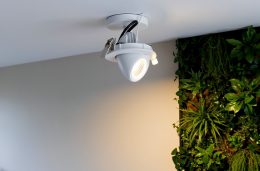 Discreet Green Wall Lighting: LED Design Guide
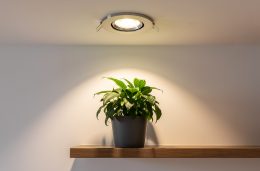 Recessed Directional Grow Spot: A Guide for Plants and Green Walls
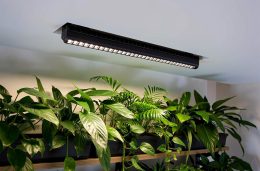 Recessed LED Grow Bars for Green Walls: 2026 Comparison Guide