
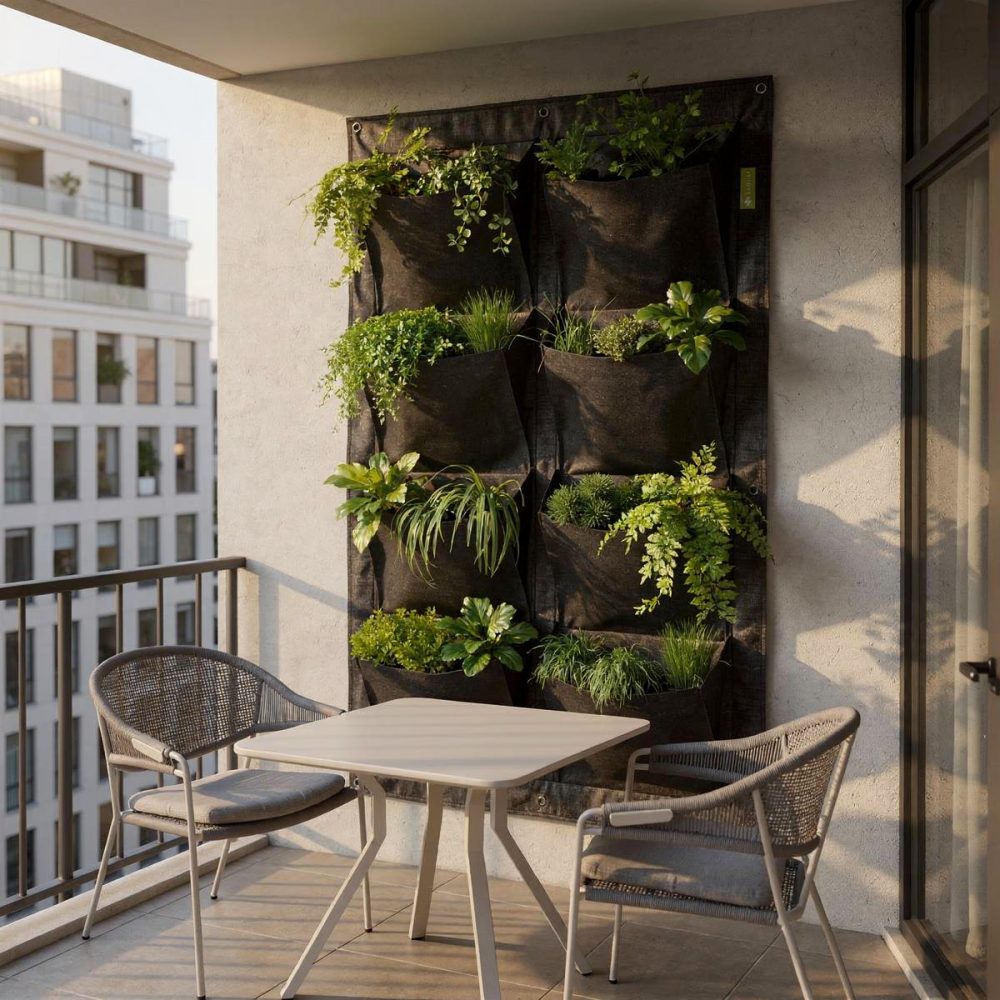
Green Wall vs Green Façade: Differences, Benefits and Drawbacks
You want to add greenery to a space, indoors or outdoors, but are unsure about the difference between a green wall and a green façade? Although both aim to create vertical greenery, these two systems differ in their architecture, the supports they use and their maintenance requirements. This guide explains their technical features, environmental benefits, substrate choices, installation constraints and plant selection, helping you make your vertical greening project a lasting success.
What is a green wall and a green façade?
Understanding the technical differences between these two planted systems is essential when choosing the best solution for your building. The main distinction lies in how much of the surface is covered with plants, how the installation relates to the load-bearing wall, and the type of support used for the substrate and plants.
Technical definition of an indoor or outdoor green wall
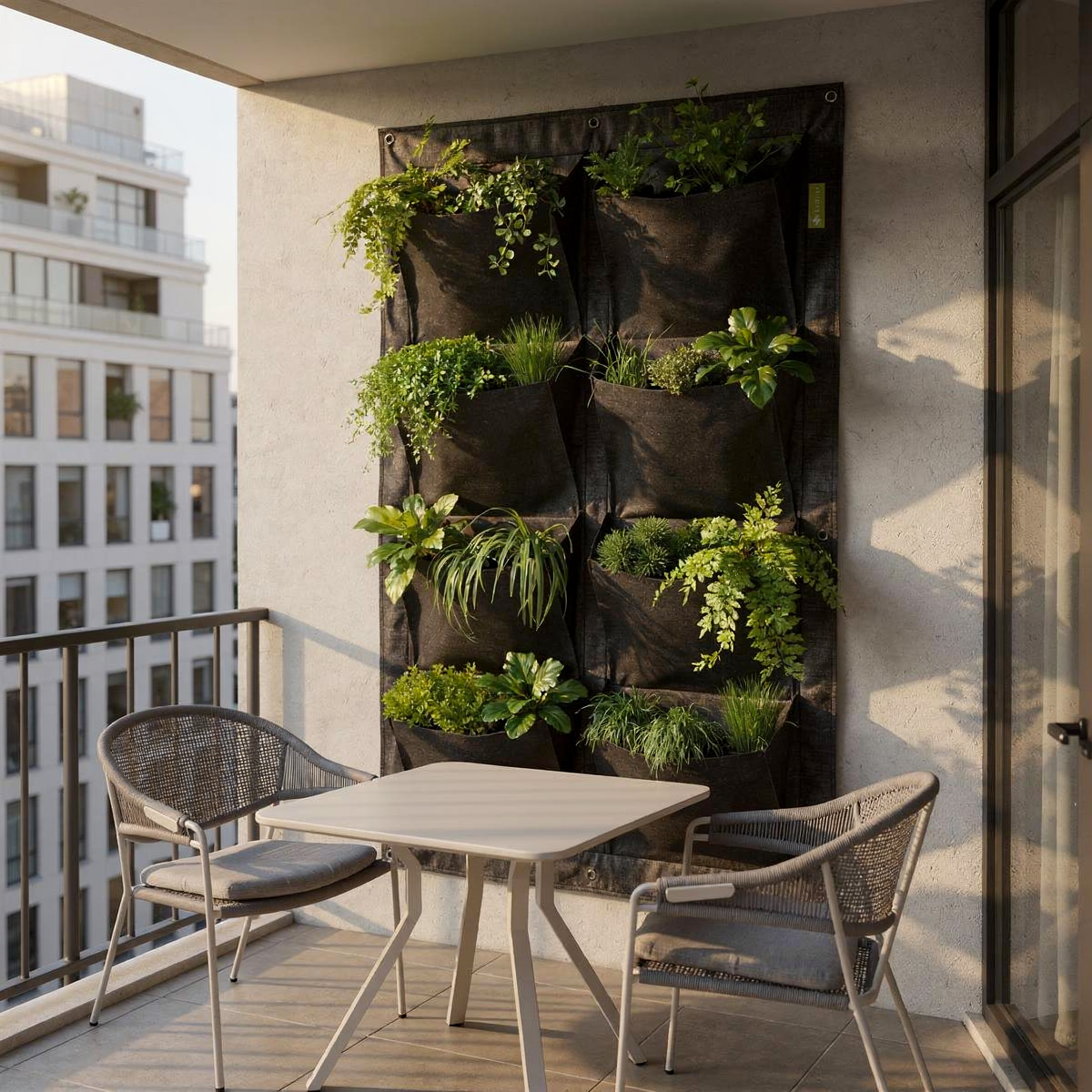
A green wall is a self-contained vertical installation, usually made from a lightweight metal frame or geotextile panels filled with a specialist substrate. This modular system can be installed indoors or outdoors. It includes an automated irrigation system that waters the plants regularly while providing effective drainage and aeration.
- Freestanding structure : an independent metal frame supports the planted modules without placing a direct load on the building wall, making the installation easy to dismantle and move.
- Integrated irrigation : a programmable drip network with a reservoir and pump keeps the plants consistently hydrated.
- Technical substrate : a lightweight mix of peat, perlite and coconut fibre offers excellent water retention, good aeration and secure root anchorage.
Thanks to its standardised modules, a 10 m² green wall can be installed in a day without major building work. For indoor installations, horticultural LEDs can supplement insufficient natural light and support even plant growth.
Green façade features and architectural integration
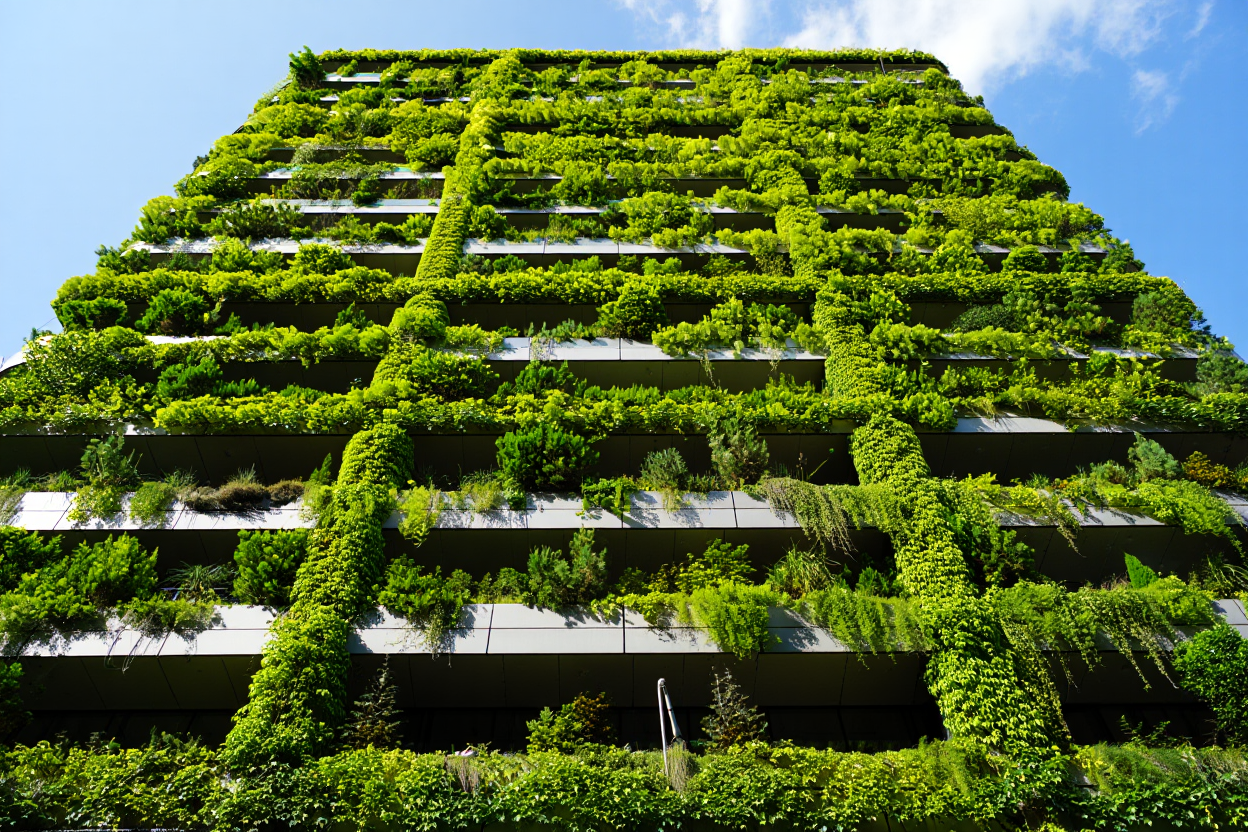
A green façade covers all or part of a building’s exterior envelope, attaching directly to the load-bearing wall with metal brackets or an independent frame. This is a long-term installation that must withstand the elements, so it requires a rigorous structural assessment and carefully selected plants.
- Long-term architectural integration : permanent fixings anchored to the masonry transform the building’s appearance for years to come.
- Reinforced structure : brackets or posts must carry the considerable weight of wet substrate, irrigation equipment and mature plants.
- Weather resistance : the design must withstand sun, rain and wind, and requires a robust watering system and resilient plants.
- Technical assessment required : loads must be assessed and waterproofing checked to prevent water ingress into the building.
The famous Musée du Quai Branly in Paris is a striking example of this type of installation: several hundred square metres of planted façade transformed the building’s appearance after several weeks of work involving a metal frame, irrigation networks and carefully selected plants.
Structural differences between a green wall and a planted façade
A green wall uses a freestanding, removable structure, while a planted façade is fixed directly to the building’s masonry and becomes part of the structure. The former is more flexible and quicker to install; the latter requires a thorough technical assessment and permanent fixings.
| Criteria | Green wall | Green façade |
| Support | Independent structure | Fixed directly to the building |
| Mobility | Can be moved | Permanent |
| Location | Indoor/outdoor | Outdoor only |
| Installation time | Quick (1 day/10 m²) | Long (several weeks) |
| Technical assessment | Basic sizing | Full structural analysis |
| Lighting | Horticultural LEDs (indoors) | Natural light |
In practice, green walls are often installed in offices, hotels and entrance halls, where temperature, light and irrigation can be controlled easily. By contrast, a planted façade is exposed to the weather and needs a suitable substrate, frost-resistant irrigation, hardy plants and regular maintenance to ensure it lasts.
Comparing environmental benefits and performance
A vertical greening system offers many benefits, from improving a building’s appearance to enhancing its environmental performance. Its impact on thermal insulation and user wellbeing, as well as urban biodiversity, varies depending on whether it is installed indoors or on a building’s green façade.
Aesthetic benefits and thermal insulation from plants
The benefits of a green wall indoors can transform the atmosphere of both professional and private spaces. A modular structure containing a variety of plants creates a living display while helping with thermal insulation and sound absorption: the vegetation naturally absorbs heat, moisture and noise.
For an outdoor green façade , the principle works especially well: an air gap forms between the plants and the load-bearing wall, lowering the surface temperature by around 5°C. This smart system can reduce air-conditioning needs by 20–30% while protecting the building’s envelope over the long term.
- Bespoke planted designs : the option to create displays that change with the seasons
- Architectural transformation : the green façade reshapes the lines of the building while blending into its surroundings
- Natural regulation : the system’s thermal mass significantly reduces heating and cooling requirements
- Acoustic comfort : plants and their substrate effectively dampen unwanted noise
For indoor systems , a suitable horticultural LED light is the perfect addition to the installation. Its specific light supports photosynthesis while using 30% less energy than traditional lighting, keeping the plants healthy without excessive power consumption.
Environmental impact and urban biodiversity
Vertical greening acts as a natural filter for airborne pollutants. Through photosynthesis, plants absorb CO₂ and release oxygen, improving air quality both inside and outside the building.
By creating microhabitats for pollinating insects and birds, a green façade becomes a genuine ecological corridor in the city. It also protects the structure from external elements (UV, rain and temperature changes) while supporting the building’s environmental certifications.
Drawbacks and maintenance requirements to consider
Installing a vertical greening system brings technical and financial challenges that need careful consideration. The extent of these constraints varies considerably depending on the type of installation, particularly in terms of maintenance access and resistance to outdoor conditions.
Installation costs and ongoing maintenance budget
The initial investment is one of the main drawbacks at the design stage. A green façade requires a detailed structural assessment, a strong metal frame, robust fixings and reliable waterproofing, making it 40–60% more expensive than a simple modular green wall, which is quicker and easier to install.
Technical risks and difficult maintenance access
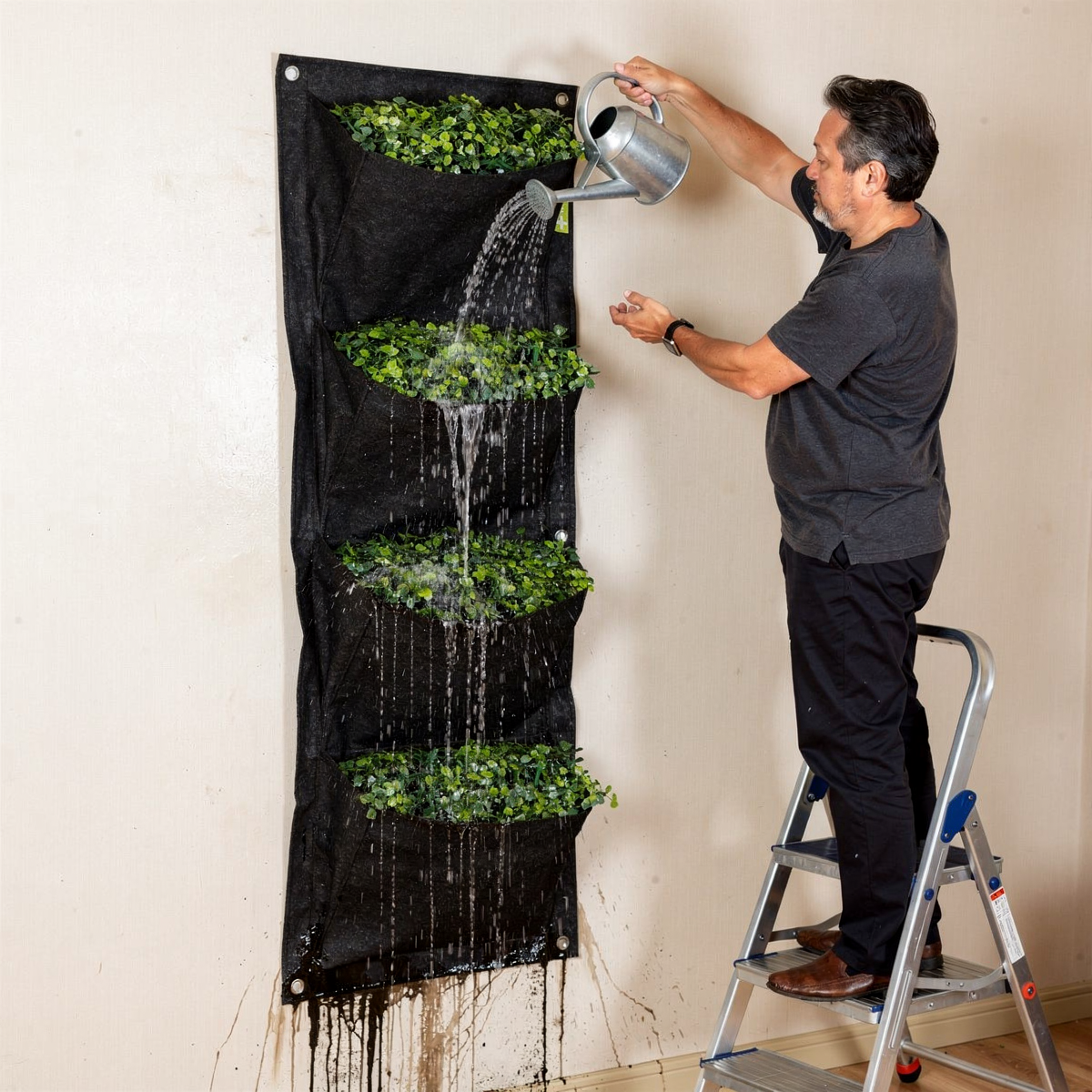
Maintenance costs depend on the installation. An indoor green wall that is easy to reach requires regular watering, occasional seasonal pruning and periodic cleaning of its LED lights. An outdoor green façade, however, requires work at height using a lift or scaffolding, with considerably higher operating and logistical costs.
- Difficult access at height : maintaining a green façade requires specialist equipment and coordination with building occupants, adding cost and making work harder to schedule.
- Regular plant health checks : diseases, pests and nutrient deficiencies must be spotted quickly to protect the appearance and integrity of the planted installation.
- Technical equipment checks : regular monitoring of the irrigation system, cleaning of drippers and preventive pump maintenance are essential for plant health.
In practical terms, a green façade needs regular pruning to control plant growth, close monitoring of roots that could damage joints, and ongoing checks on fixings and substrate stability. Without a professional maintenance contract, these recurring costs and requirements can quickly become prohibitive.
Limited durability and vulnerability to the weather
Poor ventilation or an incorrectly adjusted irrigation system can cause moisture problems, water ingress into the building, mould in the substrate and corrosion of metal fixings—all of which can require costly repairs.
In cold regions, frost can damage outdoor irrigation pipes and stress plants that are not suited to the climate. This can mean frequent replanting, higher maintenance costs and an uneven appearance.
Indoor green walls, meanwhile, depend entirely on artificial lighting and automated systems. A failed pump, faulty timer or prolonged power cut can put the plants at risk, so remote monitoring and a rapid response may be needed to protect the living installation.
How to choose plants suited to your project
Your choice of plants determines both the appearance and durability of your planted system, whether it is indoors or an outdoor green façade. Several factors matter: orientation, local climate, the type of support, the quality of the substrate, the irrigation system and the level of maintenance you want to provide.
Choosing plants for an indoor green wall with LED lighting
To green an indoor space, choose species suited to shade and consistently humid conditions, and provide horticultural LED lighting. Ferns, pothos, philodendrons and epiphytes such as tillandsias are good choices and are relatively easy to maintain.
- Evergreen tropical ferns : Nephrolepis exaltata and Asplenium nidus create dense foliage, tolerate high humidity and respond well to the light spectra used by LED systems.
- Pothos and philodendrons : their vigorous growth creates a natural cascading effect. They also tolerate variations in watering and can help improve air quality.
- Epiphytic plants : tillandsias and some orchids add floral accents while needing little substrate, making them well suited to vertical structures.
A well-designed LED lighting system that combines red and blue wavelengths makes it possible to grow more demanding plants that would not thrive in low natural light. This opens up a wider range of planting options, including more specialist orchids and even carnivorous species.
Evergreen species for a weather-resistant outdoor green façade
For outdoor façade greening , choose hardy plants suited to your climate zone to ensure long life and minimal maintenance. Ivy, succulents, lavender and other climbers provide lasting coverage and can withstand changing weather.
- Hardy ivy and climbers : common ivy (Hedera helix) quickly forms a dense screen and withstands severe winter temperatures.
- Resilient succulents : sedums and other xerophytic species need little water and thrive in sunny locations.
- Mediterranean herbs : lavender and thyme add fragrance and are well suited to sunny façades.
In regions with cold winters, frost resistance is essential. Choose species that can withstand temperatures as low as –15°C, such as certain heucheras and evergreen grasses, to keep your planted façade attractive throughout the year.
Choosing plants for the local orientation and climate
The orientation of your evergreen green wall directly affects which plants will thrive. Choose drought-resistant Mediterranean plants for south-facing walls, shade-tolerant species for north-facing ones, and moderately vigorous plants for east- or west-facing walls.
For façade greening in a hot, dry climate, choose xerophytes such as certain succulents and ornamental grasses. These species stay attractive throughout the year with minimal watering and withstand high temperatures, while contributing positively to the urban environment .
Frequently asked questions
What is the main difference between a green wall and a green façade?
The key difference is how they are designed. A green wall is a freestanding planted system that is easy to install or move. It usually covers a few square metres and has its own support, a thin substrate , and an integrated irrigation system . This means it can be used indoors or outdoors. By contrast, a green façade is attached directly to a building ’s structure and often covers its full height. It requires a prior assessment and may use climbing plants without a dedicated modular system.
What are the main drawbacks of an indoor green wall?
The main drawbacks stem from its dependence on technical equipment. A lighting or irrigation failure can quickly harm the plants in this enclosed environment . The cost of installation is high because it includes the structure, support, suitable substrate and electricity for lighting, although it is generally still less expensive than a green façade.
Regular maintenance is essential: plants need pruning and health checks, lights need cleaning, and fragile plants may need replacing. Poorly adjusted irrigation or ventilation can also cause damp or mould, damaging nearby surfaces and increasing the overall cost of greening.
How do I choose between a green wall and a green façade for my project?
To choose the right option, start by defining how you plan to use it. An outdoor or indoor green wall is well suited to smaller or temporary spaces, while a green façade is ideal for giving an entire building lasting plant cover. Consider your budget too: a green façade often costs 40–60% more because of the structural reinforcement and waterproofing work required.
Finally, consider access for maintenance. A green wall is easy to maintain from ground level, whereas a façade often requires work at height. Our experts can advise you on suitable plants (including climbing plants), size the right irrigation system and help you achieve attractive, long-lasting and energy-efficient greening .
Related posts
 Discreet Green Wall Lighting: LED Design Guide
 Recessed Directional Grow Spot: A Guide for Plants and Green Walls
 Recessed LED Grow Bars for Green Walls: 2026 Comparison Guide