
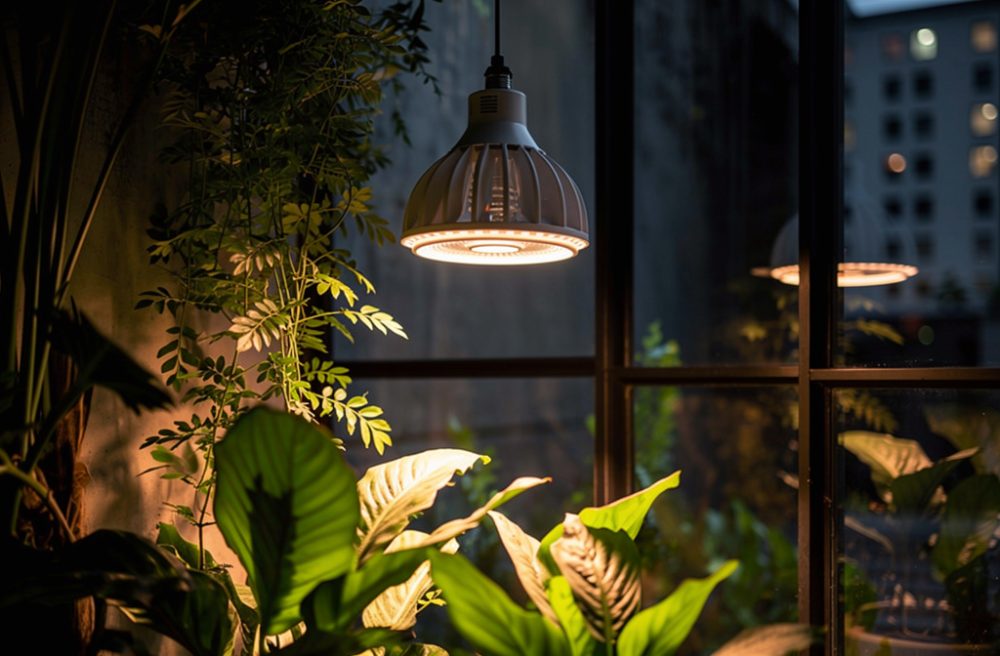
Outdoor Plant Lighting: A Guide to LED Spotlights and Garden Lighting
Outdoor lighting is about more than illuminating your plants: it is essential to turning your garden into a thriving ecosystem. Whether you are ready to buy now for high-performance LED spotlights or want to compare horticultural lights, this guide will help you make the right choice. Find out how to choose the best LED lighting to support plant growth while ensuring excellent energy efficiency.
Why are LEDs ideal for plants?
LED lighting is transforming plant care by combining impressive light output with respect for the environment. Much more efficient than traditional bulbs, these grow lights provide a precise spectrum suited to the biological cycles of every plant. They offer a durable way to support the healthy growth of your outdoor space.
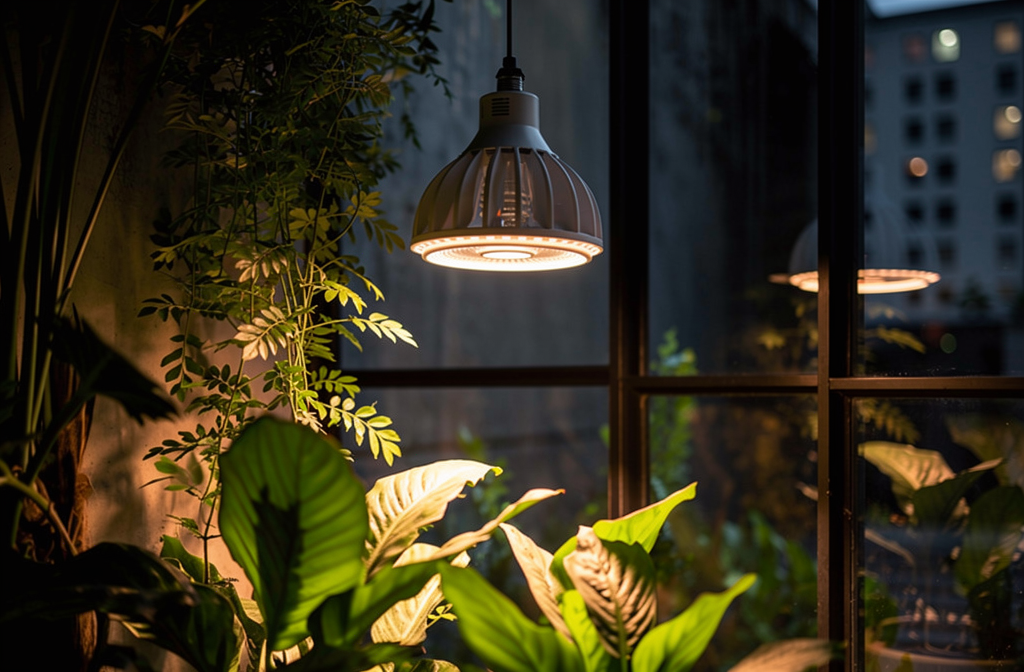
Full spectrum suited to every growth stage
The light spectrum from professional LEDs closely reproduces natural sunlight, covering all the essential wavelengths from 400 to 700 nanometres. This full spectrum gives every plant the energy it needs throughout its development, from germination to fruiting. Our 100 W horticultural LED grow light for outdoor plants uses this technology to effectively support photosynthesis.
- Blue spectrum (420–460 nm) : encourages dense, strong vegetative growth by supporting chlorophyll production and strengthening roots in the soil.
- Red spectrum (620–660 nm) : essential for flowering and fruiting, it intensifies colour and extends the flowering period under controlled lighting .
- Near-infrared wavelengths (700–800 nm) : contribute to natural temperature regulation and help mark the day–night cycle, making seasonal transitions easier for optimal plant growth .
- No harmful UV : the absence of ultraviolet light protects living things and delicate foliage from the risk of scorching.
Some advanced models, including those fitted with OSRAM LEDs, offer a spectrum designed specifically to optimise photosynthesis and leaf colour. This is ideal for gardens where visual appeal and plant health are priorities.
Benefits of white versus coloured LEDs outdoors
Unlike coloured lighting, white full-spectrum LED spotlights are versatile and support plant growth in all its forms. This approach respects the natural balance of the plant and makes it easy to adjust light intensity for seasonal needs. It is often the best choice for natural-looking, harmonious outdoor lighting.
Outdoors, white light helps prevent distorted growth that can be caused by lighting that is exclusively red or blue. A good white LED lighting system spreads light evenly across foliage and eliminates dark areas, even on dense green walls.
Choosing the right LED spotlight for your garden
To light your outdoor space effectively, consider several factors, including the area to cover and the amount of natural light it receives. Identifying each plant and your growing goals is essential to making the right choice. Careful planning delivers maximum efficiency without unnecessary energy consumption .
Power and coverage to suit your needs
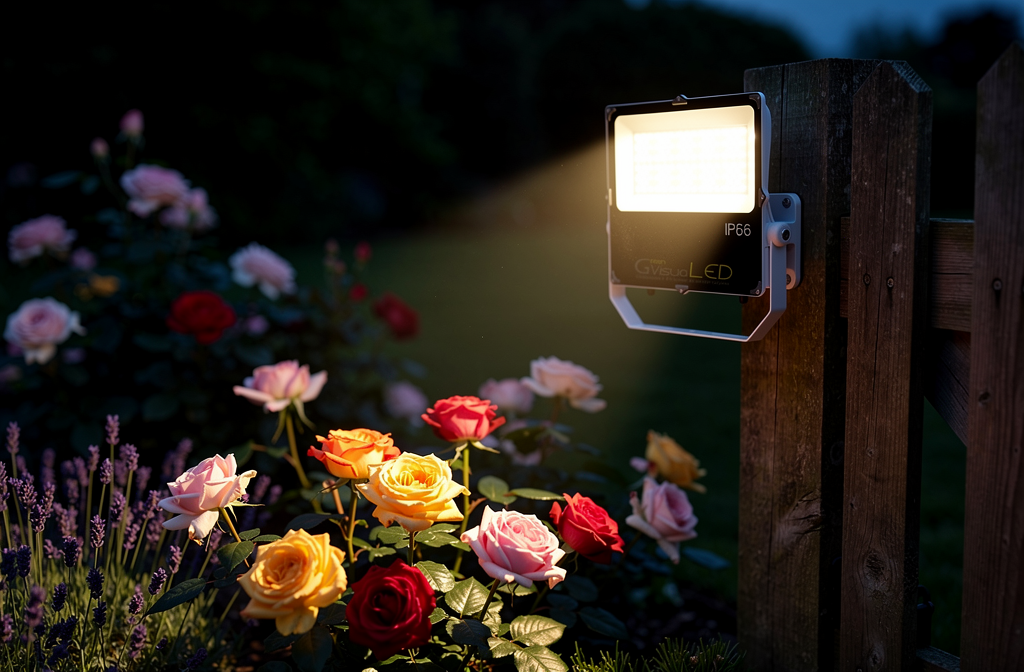
Professional LED spotlights are available at different power levels for lighting specific areas. Correctly sizing the installation is essential to control electricity use . The right choice avoids waste while supporting optimal plant growth without excessive light.
- GVL SPOT 10 W : ideal for small areas, supporting effective photosynthesis over around 0.5 m².
- GVL SPOT 50 W : this versatile spotlight suits medium-sized beds, covering 2–4 m² depending on sunlight.
- GVL SPOT 100 W : ideal for larger areas, this model can light up to 20 m² as supplementary lighting.
- 150–200 W LED floodlights : these powerful options provide even light over areas larger than 25 m².
For horticulture, the recommended density during vegetative growth is generally 30–45 actual watts per square metre. This can be increased to 45–60 watts per square metre to encourage flowering.
| LED spotlight type | Power (W) | Coverage (m²) | Ideal distance (cm) | Approximate lumens |
| GVL SPOT compact | 10 | 0.5 | 40–50 | 800–1,000 |
| GVL SPOT standard | 50 | 2–4 | 60–80 | 4,000–5,000 |
| GVL SPOT professional | 100 | 10–20 | 80–100 | 8,000–10,000 |
| High-power floodlight | 150–200 | 25–40 | 100–120 | 15,000–20,000 |
Ideal mounting distance for different plants
Light intensity drops quickly as the source moves farther from the leaves, directly affecting how much energy the plant receives. Correct positioning provides the recommended outdoor lumens per square metre while avoiding leaf scorch. The usual target is 200–600 lumens per square metre, depending on the crop.
- Full-sun plants : position the LED 30–45 cm away, as these species tolerate strong light.
- Shade plants : a distance of 50–80 cm provides gentler, more diffuse light suited to their needs.
- Low natural light : move the lights closer, to 60–100 cm, to make up for the lack of sun and provide a sufficient lighting period.
For a green wall, position the floodlight around 80 cm from the foliage. This provides even coverage across a wide area, especially when supplemented by natural sunlight .
Our outdoor GVL SPOT solutions
For ten years, we have designed lighting that withstands the often difficult weather conditions of the garden. All our products offer excellent weather resistance and reliable performance for hobbyists and professionals alike. Each innovation is designed for the demands of outdoor environments.
Our flagship 100 W model uses Philips chips with a white spectrum to provide stable, continuous light. Its aluminium heat sink dissipates heat effectively without a noisy fan, extending its service life. The design ensures efficient operation across a range of outdoor temperatures.
To choose a suitable solution for small areas such as balconies, the 10 W and 50 W versions are ideal. Their IP66 rating means they can be exposed to watering of the soil and plants without risking damage to the equipment. Their discreet design blends into the landscape without compromising its appearance.
Horticultural grow lights designed for outdoor conditions
Outdoors, lighting has to withstand humidity, temperature changes and bad weather. Equipment that is not designed for these conditions can quickly succumb to rain and dust. Only grow lights made specifically for gardens can provide lasting performance and a high level of safety.
IP65/IP66 protection against rain and dust
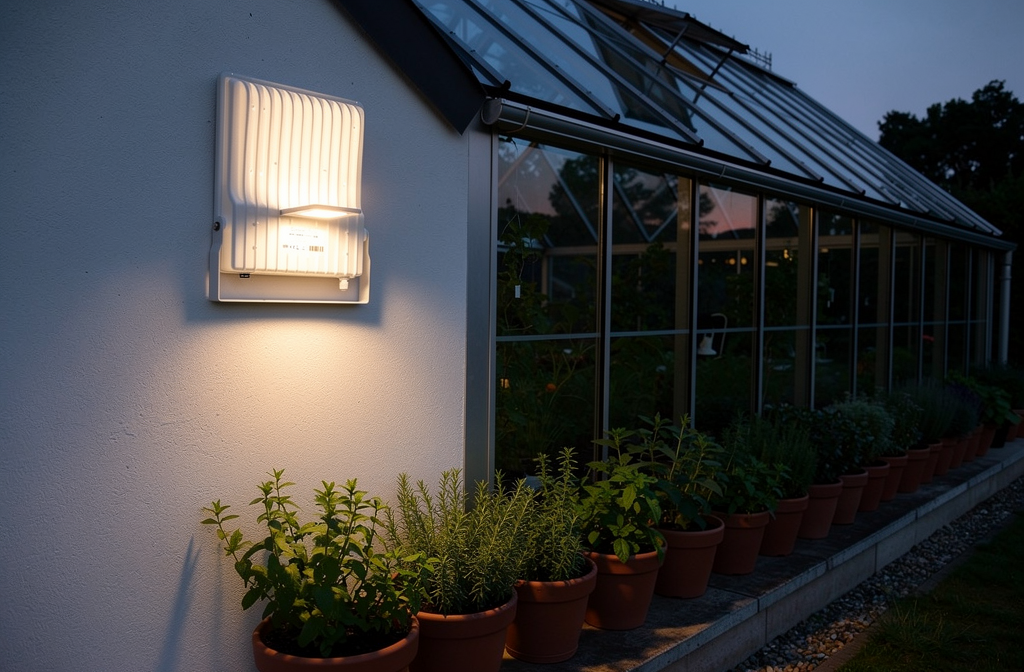
The Ingress Protection (IP) rating defines how well a device is protected from solid objects and liquids. For genuine outdoor water resistance , an weather resistance rating of IP65 is the minimum. However, IP66 is strongly recommended for protection against direct water jets.
- IP65 minimum : suitable for light rain and splashes, making it a good option for standard use in the garden.
- IP66 strongly recommended : provides a reliable barrier against powerful water jets without affecting lighting performance.
- IP67 for aquatic areas : ideal near water or on ground that stays wet, this rating allows temporary immersion.
For example, the GVL spotlight has an IP66 rating thanks to its sealed housing and waterproof connections. Water cannot enter, even when it is cleaned with a jet. Its quality materials also withstand prolonged exposure to sunlight.
In addition to excellent water resistance, the unit has advanced thermal management to prevent condensation inside. Aluminium heat sinks remove residual moisture effectively, protecting the electronics from corrosion. This robust design helps extend the life of the LED components, even in harsh conditions.
Long-term durability and energy savings
Durable grow lights have an exceptional lifespan and much higher efficiency than outdated technologies. This smart choice can deliver substantial energy savings over time. Investing in professional lighting reduces maintenance costs and overall energy use .
- 50,000-hour lifespan : each light provides many years of continuous lighting, avoiding repeated replacement.
- Lower consumption : with an excellent efficacy of more than 100 lumens per watt, these horticultural LED grow lights use up to ten times less energy than halogen models.
- No noisy fan : passive cooling avoids unnecessary energy use and keeps operation completely silent.
- Environmental responsibility : free from mercury and toxins, these products are easier to recycle and help minimise their environmental footprint.
As well as low energy use, these grow lights maintain excellent colour stability over time. Unlike conventional bulbs, their spectrum does not change, even after thousands of hours of use. This gives every plant the right light to support healthy development.
Frequently asked questions
What LED power should I choose to light outdoor plants properly?
The power you need from an LED spotlight depends mainly on the area to light and the types of plants you are growing. For a garden or green wall that already receives good natural light, allow 30–45 watts per square metre of white light. This is generally enough to support plant growth without overlighting.
For intensive growing or locations with no sunlight, you need to increase the intensity. Allow 45–60 watts per square metre for optimal photosynthesis . Our LED spotlights are available at several power levels (10, 50 or 100 watts), allowing you to adjust energy use to your actual needs.
Are solar LED spotlights enough to grow outdoor plants?
Solar lighting is a practical option for occasional needs, such as lighting a balcony planter or marking a path. However, its low power (often 3–10 watts) and limited battery life provide only supplementary light. It cannot replace sunlight completely.
To support vigorous plant growth on large walls or in productive growing areas, a more powerful source is essential. A wired spotlight of at least 50 watts is still needed, although you can pair it with solar panels to reduce energy use .
How far should I position LED spotlights from plants to avoid leaf scorch and photoinhibition?
The ideal distance depends on your plant ’s sensitivity and specific light requirements. Sun-loving species such as herbs tolerate a distance of 30–45 cm. Ferns and other shade plants prefer 50–80 cm to avoid stress.
For a dense green wall, positioning an LED spotlight around 80 cm from the ground or wall surface helps distribute light evenly without overheating. Read our complete guide to outdoor green-wall plants to choose the lighting solution best suited to each species.
Related posts
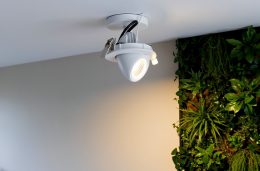 Discreet Green Wall Lighting: LED Design Guide
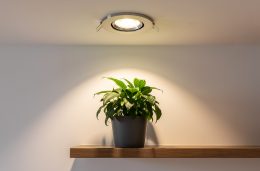 Recessed Directional Grow Spot: A Guide for Plants and Green Walls
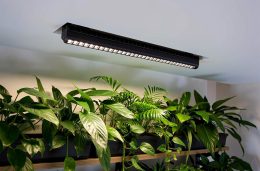 Recessed LED Grow Bars for Green Walls: 2026 Comparison Guide