
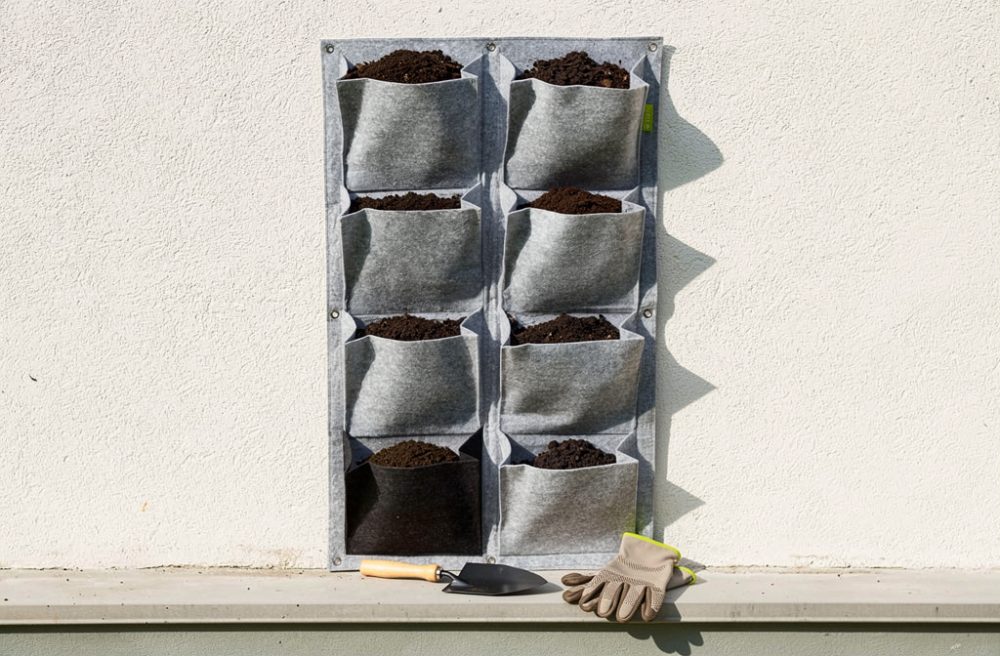
How to Create an Outdoor Green Wall: Complete Guide
Creating a green wall outdoors can transform any façade into a living ecosystem, combining beauty, thermal insulation and air purification. This guide takes you through the process step by step, from planning to greening an outdoor wall, from the initial assessment to regular maintenance.
We will cover the essential steps: choosing the plants, building the structure and installing the irrigation system.
Prepare the wall before creating an outdoor green wall
For a successful outdoor green wall, careful site preparation and a thorough assessment of its surroundings are essential. This step helps ensure your project is durable and attractive.
Assess the site's aspect and climate
The exposure to sunlight is a key factor in choosing plants suited to your green wall. South-facing walls receive intense sunshine, while north-facing walls suit shade-loving species that prefer humidity.
- South-facing (full sun) : sedums, sempervivums and lemon thyme thrive in hot, dry conditions and need littlewatering.
- North-facing (persistent shade) : ferns, heucheras and ivy grow without direct light and prefer humid conditions.
- East- or west-facing (partial shade) : sedges, mondo grass and heathers tolerate the changes in light and temperature these aspects bring.
- Wind and salt exposure : near the coast or in windy areas, choose resilient plants such as sea cineraria or salt-tolerant succulents.
Assessing wind exposure is essential to prevent plants from drying out too quickly or the structurefrom becoming unstable. Depending on the site, a windbreak or structural reinforcement may be needed.
Check the strength and waterproofing of the supporting wall
Creating green façades requires a sound load-bearing wall, free of cracks and water ingress. Beforeinstallation, clean and inspect the supporting wall carefully and repair any defects.
Install a waterproof membrane while leaving an air gap for ventilation. This barrier protects the wall from moisture and mould, helping preserve both the building and the green wall.
Choose the right system for your project
There are three main ways to cover a wall with greenery : climbers rooted in the ground, pre-planted modular systems, or hybrid structures combining soil and hydroponic growing. The choice depends on height, wall load capacity and access.
For older buildings, choose lightweight solutions such as discreet trellises. Modern buildings can accommodate modular systems on aluminium rails, often clipped into place to minimise drilling.
Costs vary considerably: budget €15 to €35/m² for ground-based planting, and around €400/m² for a modular green wall. This difference reflects the complexity of theinstallation, the quality of the growing medium and the durability of the irrigation system.
The success of a green-wall planting project depends above all on choosing the right species. Each plant brings a unique shape and texture, helping to create a harmonious, dynamic composition. When choosing plants for an outdoor green wall, favour hardy varieties with compact growth.
Choose plants for your green wall
The appearance of a green wall depends largely on the range of species selected. Combine ground-cover and trailing plants to enliven the vertical display, and add structural plants to give the overall composition depth.
Match plant species to the aspect of your outdoor wall
When choosing a climber, you must consider the site's exposure and light conditions rather than personal preference alone. ivy, for example, thrives in shade, while Virginia creeper prefers plenty of sunlight. Whatever the species, make sure drainage is effective.
Choose suitable plants and evergreen varieties native to the area, as they withstand dry spells and temperature changes better. Avoid plants with invasive roots that could damage the support or structure wall and spread into masonry joints, causing damage.
| Sun exposure | Recommended species | Main characteristics |
| Dry full sun | Sedum, sempervivum, lemon thyme, lavender cotton | Very hardy, little watering needed, grey or purple foliage |
| Moderate partial shade | Heucheras, sedges, golden ivy, Virginia creeper | Varied foliage, tolerates humidity, upright growth |
| Persistent shade | Ferns, mondo grass, common ivy, climbing ivy | Tolerate the absence of direct light, highly resilient, environmentally friendly |
| Salty or windy areas | Sea cineraria, hardy succulents, thrift | Highly adaptable, foliage resists sea spray, slow-growing |
Create the ideal growing medium
A good growing medium should be lightweight, well aerated and able to retain water without suffocating the roots. To cover a wall with greenery effectively, add about 30% perlite to improve aeration. Add 20% mature compost, then top up with sand and soil.
This mix drains quickly to prevent root rot while retaining useful moisture during dry spells or in full sun. Adding coconut fibre can also improve the structure of the growing medium.
Choose pot sizes to achieve the desired look
Pots with a 6 cm diameter create a high planting density, with around 25 plants per 0.5 m². They encourage slow, gradual growth of the foliage, season after season. This is also an economical way to shape the appearance of your outdoor green wall.
- Ø 6 cm pots : ideal for smaller budgets, they support natural growth without putting extra weight on the structure.
- Ø 9 cm pots : these hold suitable plants that are more developed for an immediate, dense appearance.
- Staggered planting : this arrangement makes maintenance easier and distributes light more evenly.
We recommend planting in groups of three to five to create balanced clusters. Avoid spacing plants too far apart to strengthen the visual impact of your green wall. This approach will also make future Green wall maintenance.
After planting, water the plants lightly before allowing the irrigation system to take over. This gradual transition reduces transplant shock and lets plants establish their roots in their new environment.
Building the supporting structure is the technical core of your project. A strong, watertight frame with good ventilation is essential to ensure the system lasts. For other modern solutions, see our comprehensive guide to artificial green walls.
%products%
Install the green wall support and frame
Plants can only be installed once an infrastructure strong enough to support the weight of the growing medium when saturated with water has been built. The structure must also withstand sometimes harsh conditions outdoors, including strong winds. Using preassembled modules with aluminium rails can greatly simplify assembly.
Build the frame and install waterproof layers
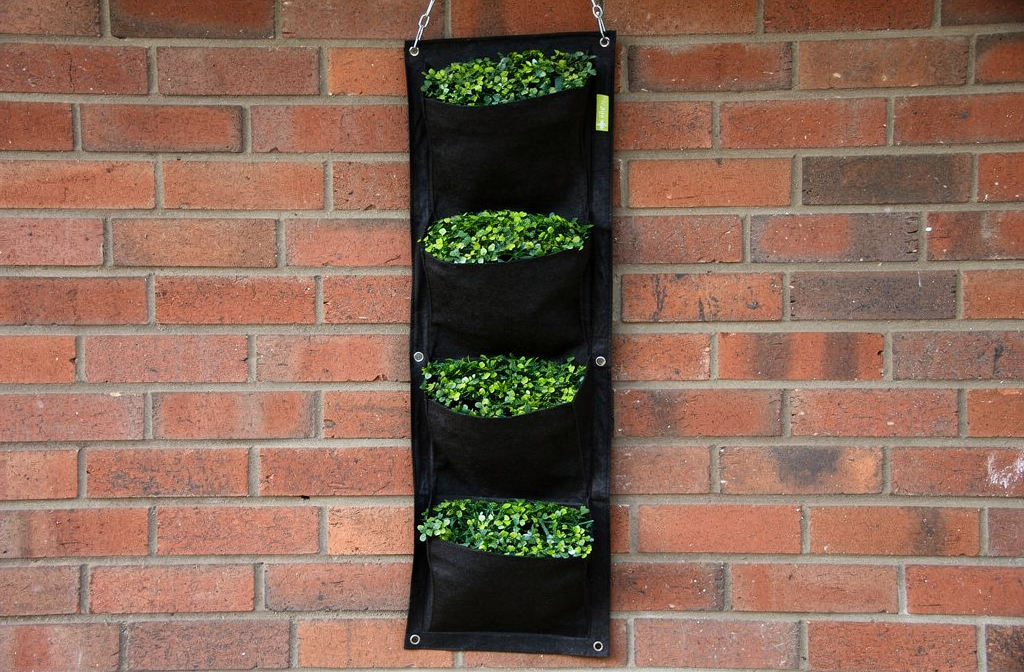
To cover a wall with greenery, the frame is usually made from galvanised metal or sturdy mesh and must be securely fixed. Leave at least 5 to 10 cm between this structure and the load-bearing wall. This gap allows good air circulation and helps prevent moisture problems.
- Spaced frame : creates a protective air gap, limiting mould risk and extending the building's lifespan.
- Expanded PVC board : installed as a rigid barrier between the frame and the growing medium, it effectively blocks moisture rising by capillary action.
- Double layer of geotextile felt (aquanappe) : fixed to the PVC board, it holds plant roots in place and drains excess water downwards.
Make small slits a few centimetres long in the felt to insert plants carefully without damaging their roots. This technique preserves the geotextile and encourages balanced vertical growth, allowing the plants to anchor firmly to the support.
Fix the modules and reinforce stability
Side-clip fastening systems make it easy to install modules without drilling numerous holes in the façade. This approach preserves the architectural integrity of the walls, making it particularly suitable for older buildings. To green a wall durably, it is essential to use dedicated fixings designed to distribute the load correctly.
Set up drainage and water retention
Adding a layer of sphagnum moss or coconut fibre between the support and the growing medium greatly improves water retention. It also promotes good root aeration, which is essential for plant health. An effective drainage system must be installed at the bottom of the green wall to remove excess irrigation water.
Irrigation must be carefully managed to prevent water from stagnating and plants from rotting. Collecting runoff can also reduce the system's overall water use. A slight slope helps water drain naturally and makes future maintenance easier.
Regular watering and suitable light management are essential to ensure a lasting green wall installation. This article covers the main steps to create a green wall outdoors: choose a sturdy framework, fit a PVC support and hydroponic felt, select plants with similar needs, install a irrigation system and choose an efficient green wall LED light with excellent colour rendering. It also highlights the benefits of such a project, including air purification, better thermal and acoustic insulation, and improved humidity levels.
Maintain and irrigate the outdoor green wall
Automatingwatering makes life easier while maintaining the steady moisture plants need. Green wall maintenance then requires only a simple monthly check and seasonal fertiliser.
Set up an automatic watering system
Install a drip-irrigation network with emitters spaced 30 cm apart, connected to sensors that measure water needs. This precision irrigation system limits waste and maintains the necessary water balance.
- Summer schedule : water for 15 minutes every two hours to maintain even moisture without overwatering.
- Winter schedule : reduce this to one hour every four hours to respect the dormant period.
- Mild nutrient solution : add 0.5 g/L of complete organic fertiliser and recirculate it with a pump.
- Monitor pH : check the pH every two months and keep it between 5.5 and 6.5 to prevent deficiencies.
Clean the collection tank every month to remove algae and debris that could clog the emitters. A few minutes is enough to keep your outdoor green wall.
Optimise light with horticultural LED lighting
Iflight is insufficient, supplement it with full-spectrum horticultural LED lighting. Position the lights about 30–45 cm above the structure to support growth without scorching the foliage.
- 12 h/12 h lighting cycle : this schedule supports balanced growth and can be adapted to the seasons.
- High/low positioning : position light-loving plants higher up and shade-loving varieties lower down.
- Recommended power : do not exceed 50 W to avoid overloading and unnecessary energy use.
This supplementary lighting can transform shaded areas into lush vertical gardens. It offers new possibilities for creating a green wall that really stands out.
Regularly maintain and monitor green façades
Prune plants in spring and summer to control growth and maintain a neat appearance. Organic fertiliser during active growth helps mature plants fill the space.
Weed every six to eight weeks to maintain the appearance and reduce competition for nutrients. Replace weaker plants each season so your green wall stays dense and even.
In winter, protect sensitive species with horticultural fleece and make sure drainage prevents water from freezing. Inspect the structure every three months to catch any issues withirrigation or cracks.
Frequently asked questions
How long does an outdoor green wall take to reach full density?
The time needed to achieve full coverage depends mainly on the type of planting selected. With 6 cm pots, it generally takes six to 12 months to cover the whole green wall. With 9 cm pots, the effect appears much faster, in just two to four months.
Adding horticultural LED lighting can significantly stimulate growth by providing an optimal spectrum. Finally, watering combined with organic fertiliser will help your outdoor green wall.
What is the annual maintenance cost of an outdoor green wall?
The complicated watering by hand. The main expense is the electricity used by thewatering complicated manual watering. The main expense is the electricity used by theirrigation pump and LEDs, averaging €40 to €80 per year.
Add seasonal organic fertiliser and occasional plant replacements, costing about €50 more. The total annual budget for an outdoor green wall measuring 10 m² is €70 to €125, often less than the cost of cleaning a conventional façade.
How do you choose between a natural climber and a modular system for an outdoor green wall?
Choosing a climbing plant such as ivy or Virginia creeper adds natural charm and requires relatively littlemaintenance. However, this traditional approach takes patience: it can take two to three years to cover a wall with greenery evenly. It is an excellent, non-invasive way to preserve the character of older façades.
Modular systems, by contrast, provide immediate density and precise control over theposition of each plant. They are ideal for greening an outdoor wall, even in low-light locations, thanks to integrated horticultural lighting. Your final choice comes down to balancing quick installation with a natural look that develops over time.
Related posts
 Discreet Green Wall Lighting: LED Design Guide
 Recessed Directional Grow Spot: A Guide for Plants and Green Walls
 Recessed LED Grow Bars for Green Walls: 2026 Comparison Guide