
Horticultural LED grow lights: the best lighting for your houseplants
Choosing the right LED lighting makes all the difference to the health and development of your houseplants. This guide shows you how to select the right spectrum, calculate the output needed in lux and set up effective horticultural lighting to support photosynthesis while saving energy.
Horticultural LEDs and light for houseplants
Horticultural LEDs provide some of the best light for plants, thanks to an adjustable full spectrum and low energy consumption. Our LED solutions let you precisely control intensity and light spectrum, saving up to 70% on electricity compared with HPS lamps while extending the service life of your installation.
Which LED spectrum is best for growth?
Balanced lighting combines blue light to stimulate vegetative growth and red light to encourage flowering, supporting every stage of cultivation. Our white-spectrum technology reproduces natural light without harmful UV or infrared rays, promoting balanced growth in your houseplants.
The full spectrum from Philips supports germination, growth and flowering without the need to change lamps, while providing light that is comfortable to the eye. The result is an attractive, functional lighting system that enhances your space while helping your plants grow.
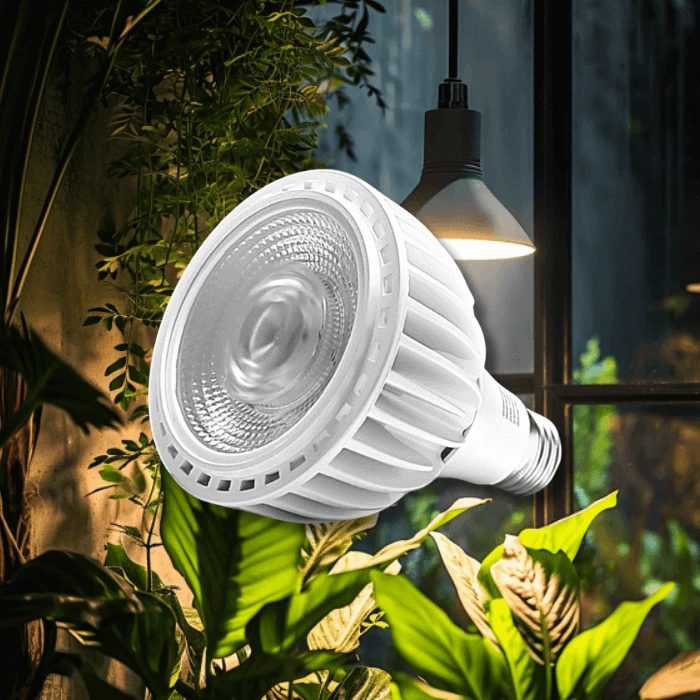
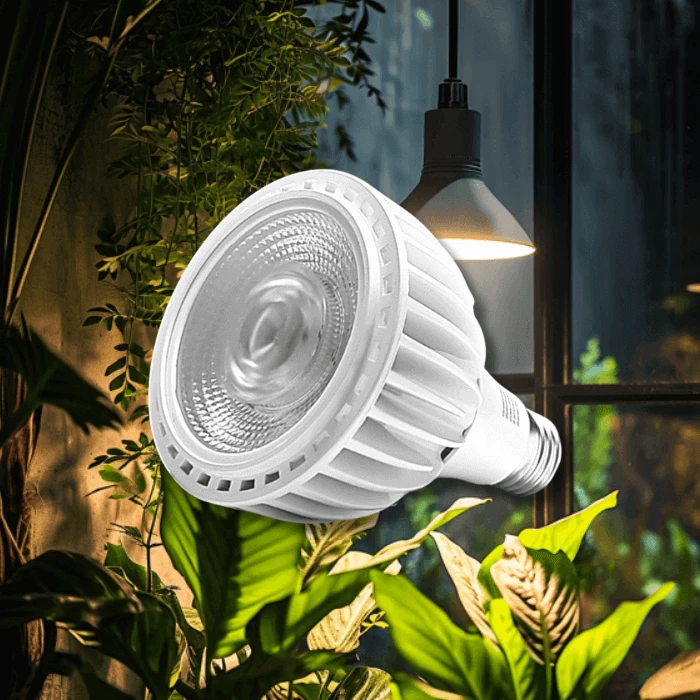
Discover how our LEDs improve plant health : the GVL SPOT 200W model provides a light intensity of 200 µmol·m⁻²·s⁻¹ over 2 m²—ideal for activating photosynthesis and safely accelerating growth.
Photoperiod and lighting distance
Light colour should be matched with a suitable exposure time: allow 16 to 18 hours of light per day during growth, reduced to 10–12 hours during flowering. Following these day-night cycles is essential to avoid stressing your plants.
Position your lamp 20 to 30 cm above young shoots, 30 to 50 cm away during growth and 50 to 70 cm during flowering to prevent excessive light. A timer and reflector help distribute light evenly and maximise the energy efficiency of your setup.
Advantages and limitations of horticultural LEDs
Horticultural LEDs offer an exceptional lifespan (50,000 hours), produce very little heat and use less energy while providing the right light spectrum for each stage of growth. Their simple installation makes them accessible even to beginners in indoor growing.
However, take care to choose the right output: models with dimmers help prevent plant stress. Clean the lenses regularly and ensure good ventilation to maintain your lighting system's performance and extend its service life.
Sizing horticultural LEDs for growing
Choosing the right horticultural LED lighting system is essential for healthy indoor plant growth. By considering the area to light, the required spectrum and the plants' stage of development, you can provide ideal intensity while maximising the energy efficiency of your setup.
Output and light intensity
To determine the required LED output, allow 30 to 50 watts/m² during growth and 40 to 70 watts/m² during flowering. For example, a 1 m² area may need around 300 watts with a full spectrum suited to demanding crops such as fruiting vegetables.
- Small home growing setups : 20–40 watts is enough for 1 to 3 houseplants (monstera, pothos), providing around 175 µmol·m⁻²·s⁻¹ at a distance of 30 cm.
- Green walls : allow 100–200 watts to evenly cover a height of up to 250 cm with our specialist grow bars.
- Intensive production : herbs or salad crops need 200–300 watts to reach 200–300 µmol·m⁻²·s⁻¹, for fast, even plant growth.
The integrated dimmer lets you adjust light intensity to the needs of each growth stage, reducing energy consumption whenever full power is not required. Combined with the long LED lifespan, this feature improves the energy efficiency of your horticultural lighting system.
| Growing area | Recommended output | PAR intensity achieved | Typical applications |
| 0.5 m² | 20–40 W | 100–175 µmol·m⁻²·s⁻¹ | Ornamental plants, bonsai, terrariums |
| 1 m² | 100–200 W | 200–300 µmol·m⁻²·s⁻¹ | Vertical gardens, leafy vegetables, herbs |
| 2 m² | 300–400 W | 250–400 µmol·m⁻²·s⁻¹ | Intensive growing, demanding flowering crops |
Grow bars and recessed spotlights
Our modular grow bars (30–120 cm) and recessed spotlights (12–45 watts) fit easily into any indoor space. These solutions provide even germination, vigorous growth and abundant flowering while minimising electricity use.
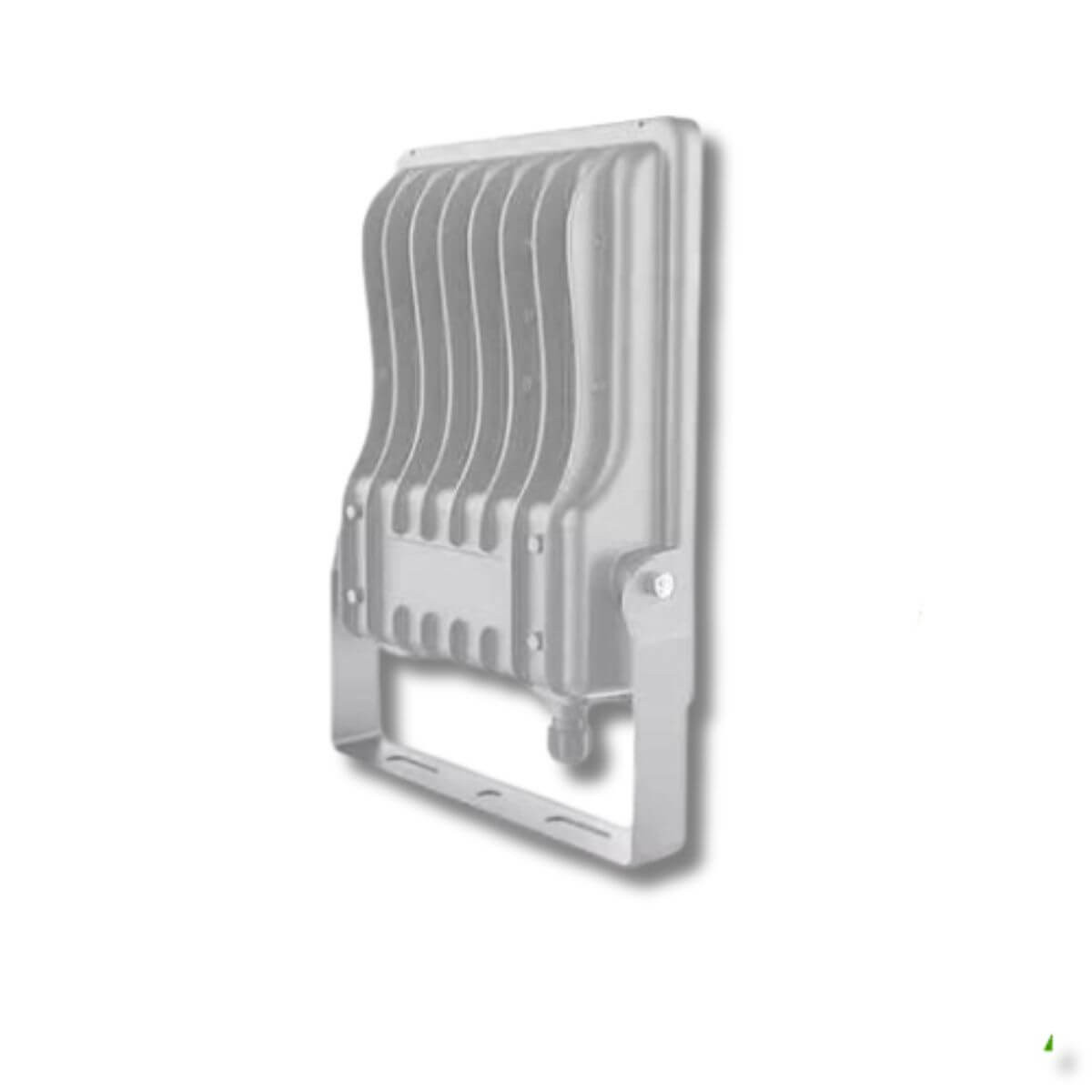
Discover our professional LED solution : the 80W XModule V5 uses OSRAM diodes to provide a full spectrum suited to every stage of plant development. This horticultural lighting system distributes light evenly, eliminating shadows for optimum crop development.
Horticultural LED lighting for plants and flowering
A professional horticultural LED system effectively supports photosynthesis, boosts plant growth and adds visual appeal to your interior. These lights provide a full spectrum designed especially for plants, with even light intensity and a modern design. They create ideal conditions for your plants while delivering safety, energy savings and an excellent lifespan.
Attractive integration indoors
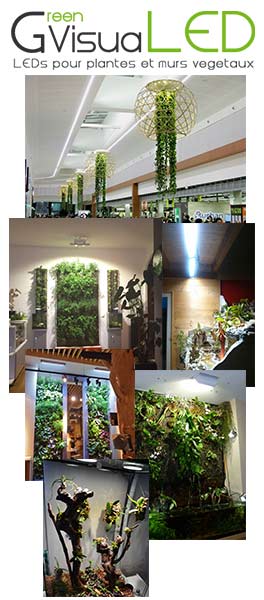
Our exclusive EVG+ technology produces white light with a subtle red tint, perfectly suited to highlighting leaf textures and shades of green. Unlike two-colour systems that produce an unpleasant purple cast, our solution creates a natural lighting atmosphere, ideal for restaurants, reception areas, offices and living rooms.
- Elegant, discreet design : At just 3 cm thick and 7 cm wide, our lights blend into any interior.
- Flexible installation : Suspended up to 3 metres, ceiling-mounted or installed on an offset support, each light can be tilted by 60° to illuminate every plant surface perfectly.
- Practical cable routing : A remote-mounted transformer preserves the appearance and makes maintenance easier.
- Wellbeing for plants and people : Philips white horticultural light supports both photosynthesis and visual comfort for occupants.
This solution combines horticultural performance with decorative elegance. The light highlights every plant and creates a calming atmosphere that will satisfy the most demanding customers, including interior designers.
With no UV or infrared, our systems protect plant tissue and eye comfort, adding safety to their many energy-saving benefits.
Safe and quiet in professional use
The plug-and-play installation of our IP65/IP66-certified lights is simple and safe, even in humid environments such as a greenhouse, terrarium or conservatory.
The fanless passive cooling system eliminates unwanted noise and greatly extends the product's service life. Built-in protection effectively prevents overcurrent and short-circuit risks.
Supporting plant growth
We advise each customer according to their plants (species, available height and area to cover) and flowering goals. With ten years of experience, we can recommend the right intensity, spectrum and photoperiod for your orchids, bonsai, cacti or carnivorous plants grown indoors.
Discover how this 50W grow light optimises the growth of houseplants with its full spectrum : just 0.6 kWh of electricity for 12 hours of daily lighting, making it an economical, sustainable solution.
Frequently asked questions
What LED output do I need to grow plants successfully indoors?
For successful growing indoors, the output required from your LED light depends on two main factors: the area to cover and the light requirements of your plants. As a general guide, allow 30 to 50 watts per square metre during the growth stage, then increase to 40 to 70 watts/m² during flowering. Low output (20–40 watts) is enough for a few plants (1 to 3), while larger installations may need up to 200–300 watts for sufficient light.
Which LED light spectrum is best for plant growth and flowering?
The ideal light spectrum harmoniously combines blue wavelengths (around 450 nm) and red , supporting every stage of plant development. This full spectrum is particularly suited to indoor growing because it:
- meets the needs of all plants, from growth through flowering
- provides eye-comfortable light thanks to its balanced spectrum
- delivers optimum light efficiency by eliminating unnecessary UV and infrared
With this solution, you will not need to change the lamp as your plants move through different development stages.
What are the main drawbacks of horticultural LED lights to consider?
Despite their many advantages (long lifespan, low energy use, etc.), horticultural LEDs require a few precautions:
- Excessive intensity (expressed in lux) can stress plants—adjust the output for each growth stage
- Although they produce little heat, good airflow is recommended.
- Clean the lenses regularly to preserve the light spectrum and its performance across the whole illuminated area.
Choosing a lamp with a dimmer makes it easy to adjust the lighting to your crops' needs.
Related posts
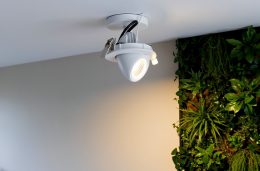 Discreet Green Wall Lighting: LED Design Guide
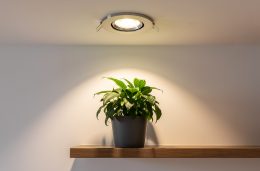 Recessed Directional Grow Spot: A Guide for Plants and Green Walls
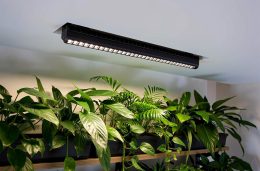 Recessed LED Grow Bars for Green Walls: 2026 Comparison Guide